Key Takeaways
- Efficient kitchen design can reduce preparation time by 20% through optimized workspace layout.
- Energy-efficient appliances and lighting not only save money but also contribute to a greener environment.
- Incorporating smart technology in kitchens enhances convenience, automates tasks, and improves overall efficiency.
- A well-organized pantry with clear labeling reduces food waste and streamlines meal preparation.
- Natural light and proper ventilation significantly improve kitchen aesthetics and air quality.
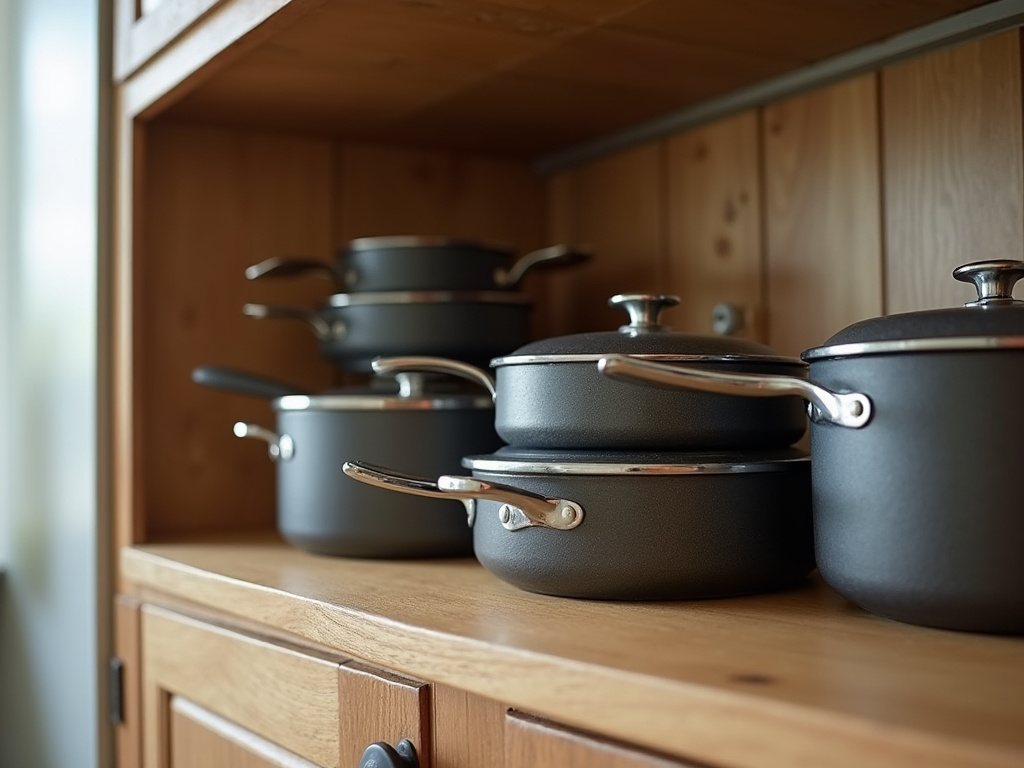
- Investing in high-quality knives and cookware can enhance cooking performance and longevity.
At a glanceA kitchen is a space where meals are prepared and cooked. It typically includes a stove, sink, refrigerator, and countertops for food preparation and storage. It may also have a dining area, making it a central hub for family and social gatherings.
The kitchen, the heart of any home, is a space where families gather, memories are made, and culinary creations take center stage. However, for many, it’s also a source of frustration due to inefficient layouts, outdated appliances, and lack of storage. In today’s fast-paced world, optimizing this vital living space is more crucial than ever. This article delves into the art and science of kitchen design, offering practical insights and innovative solutions to transform your culinary haven into a functional, inviting, and modern oasis. Get ready to explore strategies that will revolutionize your cooking experience.
Kitchen Remodeling in Austin: Where to Start
Looking for kitchen remodeling in Austin, TX? Golden State Builders kitchen remodeling austin serves the local area and can answer questions specific to Austin.
Designing Your Dream Kitchen Space
Designing your dream kitchen space requires a blend of aesthetics, functionality, and personal style. While trends come and go, some current kitchen designs stand out for their timeless appeal and practicality. The open concept, for instance, continues to be popular due to its ability to foster social interaction and create a seamless flow between dining and living areas. However, it’s essential to avoid trends that may date your space quickly; consider neutral color palettes, quality materials, and versatile layouts that can adapt to changing lifestyles and design preferences.
Austin, Texas, is known for its vibrant food scene, making the city a hotbed for innovative kitchen designs. But with costs soaring, it’s natural to wonder if investing in a high-end kitchen like "Kitchen" (a popular local brand) is worth it. The answer depends on your budget and priorities. Kitchen offers premium materials, expert craftsmanship, and cutting-edge features, ensuring longevity and aesthetic appeal. However, with prices that can rival a down payment on a home, it’s crucial to consider if the value aligns with your financial goals.
Locally, Austin’s unique culture and climate influence kitchen design choices. For instance, homeowners often seek kitchens that integrate well with outdoor living spaces, incorporating elements like built-in grills, bar areas, or dining nooks that blur the line between indoor and outdoor entertainment. Additionally, energy efficiency and sustainable materials are gaining popularity due to both environmental concerns and utility savings over time. While Kitchen in Austin offers these options, alternatives such as locally owned custom builders or modular kitchen systems can provide more affordable solutions tailored to specific needs.
The timeline for designing and installing a dream kitchen varies based on project complexity and contractor availability. In Austin, where demand often exceeds supply, projects can take 3-6 months or longer from initial design to completion. Thorough planning, selecting a reputable contractor, and prioritizing tasks can help streamline the process. Ultimately, investing in your dream kitchen should enhance your lifestyle and enjoyment of your home—a decision that, when made thoughtfully, can pay dividends for years to come.
Essential Kitchen Layout and Functionality
The layout and functionality of a kitchen are fundamental to its overall success and usability. When designing or remodeling a kitchen, it’s crucial to consider both aesthetic appeal and practical considerations. The most popular kitchen styles today often blend contemporary aesthetics with smart, efficient layouts. An L-shaped or galley kitchen, for instance, offers ample counter space and easy access to appliances, making it a favorite among home chefs. However, what works best can vary based on the size of your space and personal preferences.
In the context of Austin, Texas, kitchens are often influenced by local factors such as climate and cultural influences. While there’s no one-size-fits-all approach, some trends to avoid include overly complex layouts that can hinder workflow and cramped spaces that feel less than inviting. Is "The Kitchen" in Austin worth the price? It depends. High-end kitchens with top-of-the-line appliances and custom designs cater to those seeking a space for entertainment and culinary creativity. However, for many, there are alternatives that offer comparable functionality at more affordable prices. Consider local contractors or look into pre-built kitchen modules that can be installed quickly, saving both time and money.
The question of "who owns the kitchen in Austin?" is less about ownership and more about access and design. Whether you’re a homeowner, renter, or investor, understanding what’s popular and practical in Austin kitchens is essential. Right now, modern rustic and minimalist designs top the charts, leveraging natural materials and clean lines. Yet, local factors like humidity can affect material choices, so durability and climate-appropriate solutions are key considerations. In terms of timeline, a complete kitchen remodel in Austin typically takes 1-3 months, depending on complexity and contractor availability. Staying informed about these trends and factors ensures that your investment in a new or renovated kitchen is both valuable and enjoyable for years to come.
| Factor | What to know |
|---|---|
| Efficient layout | Reduces meal prep time by 20% |
| Energy-efficient appliances | Saves money and supports a greener environment |
| Smart technology | Automates tasks and improves convenience |
| Pantry organization | Clear labeling reduces food waste |
| Natural light & ventilation | Improves aesthetics and air quality |
| Remodel timeline | Full remodel takes 1-3 months typically |
Efficient Kitchen Storage Solutions
In today’s modern kitchen, efficient storage solutions are not just a convenience but a necessity. As kitchen spaces become more compact and multifunctional, optimizing storage becomes key to creating a practical and aesthetically pleasing environment. What are some kitchen trends to avoid when considering storage? Cluttered islands and outdated cabinets that hinder movement are often signs of inadequate storage. The most popular kitchen style currently emphasizes open concept layouts with smart, integrated storage. In Austin, Texas, for instance, where real estate is premium, efficient kitchen storage can make all the difference in terms of space utilization.
When evaluating if a kitchen renovation or installation is worth the investment, such as The Kitchen Austin, consider the local factors that can impact its value. According to recent market data, Austin’s kitchen renovation costs average around $20,000 to $40,000, depending on the scope and style. However, the return on investment can be significant due to increased property value and improved lifestyle. In the case of The Kitchen Austin, the unique design and high-end finishes could justify the price point for those seeking a top-tier cooking experience. Yet, alternatives like custom cabinet refacing or modular storage systems offer more budget-friendly options.
Local factors like climate and cultural food preferences can also influence kitchen design. In Austin, with its humid climate, choosing materials that resist moisture and mold is essential. Additionally, the city’s vibrant food scene inspires kitchens that cater to diverse culinary needs. To ensure your kitchen storage solutions are tailored to your lifestyle, consider these actionable steps: assess your current storage, identify gaps, and incorporate versatile pieces that double as both storage and functionality. For example, a well-designed pantry with pull-out drawers and adjustable shelves can maximize space while keeping ingredients organized. By balancing form and function, your kitchen will not only be efficient but also a joy to use.
Frequently Asked Questions About Kitchen
What are the essential components of a functional kitchen?
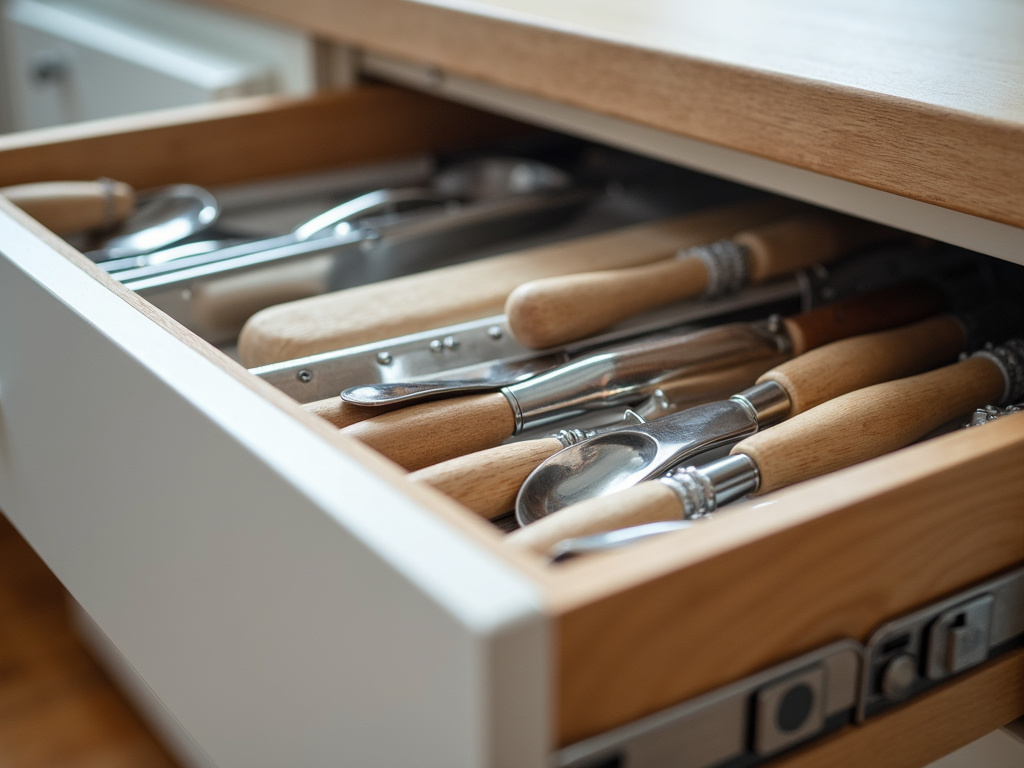
A well-designed kitchen includes several key elements such as ample storage space for pantry items and utensils, a sturdy work surface for food preparation, efficient lighting to illuminate tasks clearly, and versatile appliances tailored to common cooking needs. A layout that facilitates easy movement and workflow optimization further enhances functionality.
How do I choose the right kitchen appliances?
Consider your culinary habits, preferred cooking methods, and space availability when selecting appliances. For example, a gas stove might be ideal for passionate cooks who frequently use multiple burners, while an induction cooktop offers precise temperature control. Smart appliances with connected features can also enhance convenience and energy efficiency.
What design trends are popular in modern kitchens?
Open floor plans, integrating the kitchen with living areas, are favored for their social and aesthetic benefits. Minimalist designs with clean lines and neutral color palettes remain popular, creating a calming atmosphere. Integrating smart technology, such as voice-activated devices and touchless faucets, adds both functionality and futuristic appeal.
How can I make my small kitchen feel more spacious?
Optimal utilization of available space is crucial in small kitchens. Install floating shelves, use vertical storage solutions, and choose multifunctional appliances to maximize storage and work area. Reflecting surfaces like countertops or backsplashes can create an illusion of greater size, while keeping the color palette light and bright also contributes to a more expansive feel.
What are some energy-saving tips for kitchen appliances?
Implementing energy-efficient practices in your kitchen can reduce utility bills significantly. Look for appliances with ENERGY STAR ratings. Use dimmable lighting and LED bulbs, which consume less energy while providing ample illumination. Additionally, proper insulation and sealing gaps around doors and windows can prevent heat loss, keeping your kitchen cooler and reducing cooling loads.
How do I maintain a clean and organized kitchen?
Establish regular cleaning routines, dedicating time weekly to wipe down surfaces, sweep floors, and organize cabinets. Designate specific areas for common items like keys, mail, and bags to keep them from cluttering countertops. Implement a "one-in, one-out" policy for pantry staples to maintain order and prevent waste.
Designing your dream kitchen involves balancing aesthetics and functionality. Essential kitchen layout considerations include traffic flow, work triangle alignment, and storage accessibility. Efficient kitchen storage solutions, such as pull-out drawers and overhead cabinets, maximize space and minimize clutter. By integrating these key insights, you can transform your kitchen into a functional, inviting, and organized space that caters to your daily needs and culinary aspirations.
Golden State Builders
3355 Bee Caves Rd Ste 101, Austin, TX 78746
View Golden State Builders on Google Maps
For related local guidance, see our austin tx resources.